An online hair transplant consultation can tell you whether travelling is worth it and roughly how many grafts your pattern needs — but it cannot confirm donor density, and no honest clinic will give you a final graft number from a phone photo. Treat it as a filter, not a diagnosis.
Its real value is negative: a good remote assessment is the cheapest way to find out that you should not fly yet.
If you live in Britain or the Gulf and you are considering a hair transplant in Egypt, the hardest part is not the flight or the cost. It is committing to surgery you cannot see in advance, at a clinic you have never walked into. This guide, from HairX Clinics, sets out what a remote consultation can genuinely establish before you book, what it cannot, and how to tell a clinical assessment from a sales call.
- What is an online hair transplant consultation?
- What can a clinic actually tell from photographs?
- What can an online consultation never establish?
- Where does an AI hair analysis fit in?
- How should I take the photographs?
- How do I tell a clinical assessment from a sales call?
- When should a remote consultation end in a no?
- What should I have in writing before I book a flight?
What is an online hair transplant consultation?
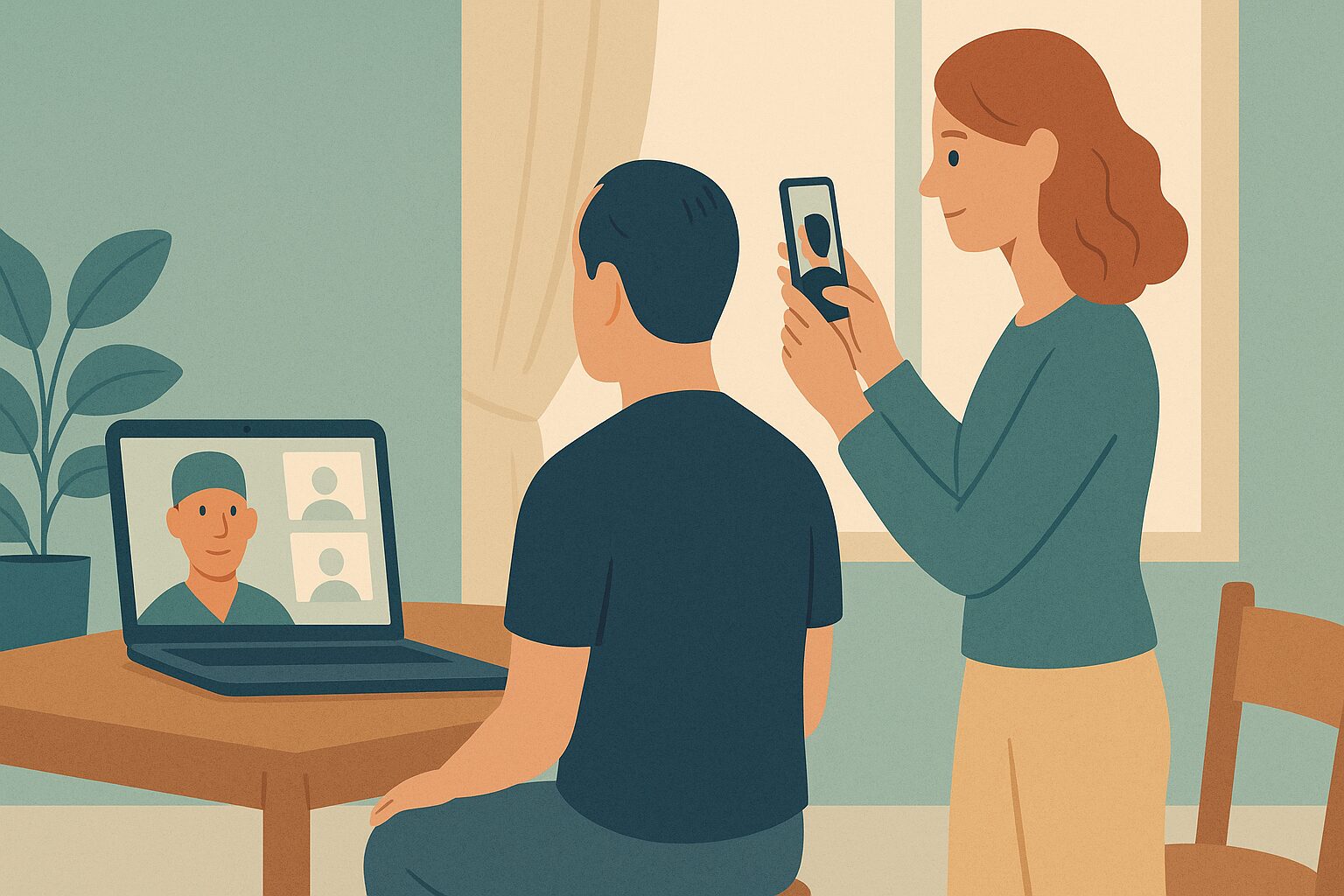
An online hair transplant consultation is a remote assessment in which you send photographs of your scalp, answer questions about your hair loss history and general health, and receive back an opinion on candidacy, an approximate graft range and a proposed plan. It happens before any travel and, at a properly run clinic, before any payment.
The format matters less than the substance. Some clinics do it by video call, some by a structured photo upload, some by a messaging thread. What separates a useful consultation from a worthless one is whether a clinician looks at the images and whether the answer you get back is allowed to be disappointing.
What can a clinic actually tell from photographs?
More than most patients expect. A clear set of scalp photographs, taken in the right light and from the right angles, supports a genuine preliminary assessment of the things that drive a surgical plan.
| Assessable from photographs | Why it matters |
|---|---|
| Pattern and Norwood stage | Determines which zones need coverage and in what order |
| Whether the loss looks patterned or diffuse | Diffuse thinning points away from surgery and towards a medical work-up first |
| Existing hairline position and shape | Sets the design conversation, including what would age badly |
| Approximate area needing coverage | The main driver of the graft range |
| Obvious donor depletion or prior scarring | Flags a repair case rather than a first procedure |
| Hair calibre and colour contrast against scalp | Changes how much density a given graft count will look like |
That is enough to answer the question most travelling patients actually have, which is not “how many grafts” but “am I a candidate at all, and is this a one-session problem or a two-session problem?”
What can an online consultation never establish?
Three things, and every clinic that pretends otherwise is selling rather than assessing.
- Donor density. Follicular units per square centimetre in the safe donor zone is measured with a densitometer against the scalp. It is the single number that caps what is surgically possible, and a photograph cannot produce it.
- Scalp laxity and skin quality. These are assessed by hand and affect extraction technique and graft handling.
- Whether your loss has stabilised. Stability is a history question and sometimes a medication question, not an imaging one. Operating on a pattern still in motion is how patients end up with an island of transplanted hair and a new gap behind it.
Where does an AI hair analysis fit in?
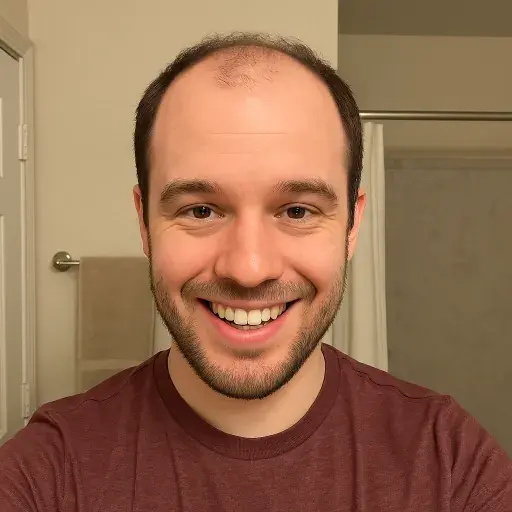
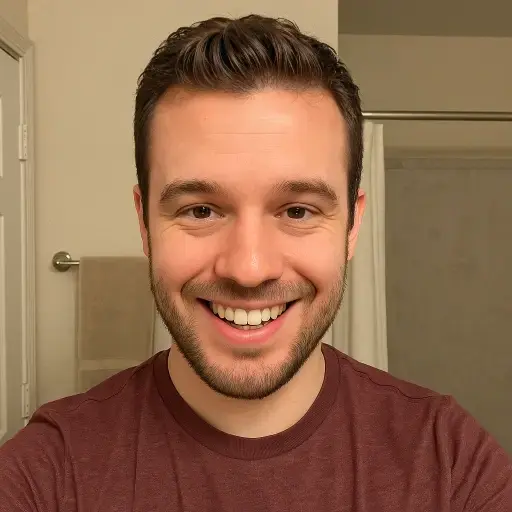
HairX Clinics runs a free HairX AI Hair Analysis that sits at exactly this point in the decision. You upload photographs and it returns a four-frame visualisation of the projected course — day one, month three, month six and month twelve — alongside a per-zone graft estimate, a written surgical rationale explaining why the plan is shaped that way, and a PDF you keep.
The point of it is not to replace the surgeon. It is to give a patient in Manchester or Riyadh something concrete to argue with before they spend money on a flight. A visual projection you can hold up against a clinic’s promises is a far better defence than a price comparison, because the thing that goes wrong in medical tourism is almost never the price — it is the gap between what the patient pictured and what the donor area could support.
Read the output as a preliminary estimate. It is a starting document for the consultation, not a surgical commitment, and the per-zone numbers are refined once a doctor has examined you. If you want to sanity-check a graft figure independently, the graft calculator shows how Norwood stage and zone selection drive the range.
How should I take the photographs?
Poor photographs are the most common reason a remote assessment comes back vague. Five minutes of care changes the quality of the answer.
- Daylight, indirect. Stand near a window. Overhead ceiling lights exaggerate thinning; bathroom spotlights invent it.
- Dry, unstyled hair. No product, no fibres, no powder. Combed as you normally wear it, then a second set combed back.
- Six angles. Front, both sides, top-down of the crown, the hairline straight on, and the back of the head for the donor area.
- The donor shot matters most. Hold the camera level with the back of your head, not above it, and get the whole area from ear to ear.
- No filters, no flash. And send the originals rather than screenshots, which throw away the detail the assessment needs.
How do I tell a clinical assessment from a sales call?
The tell is what the clinic does with uncertainty. A clinical assessment names the things it cannot know yet. A sales call resolves every uncertainty in the direction of booking.
| Sales call | Clinical assessment |
|---|---|
| A precise graft number within minutes | A range, with the reason it is a range |
| A discount that expires this week | No time pressure attached to a surgical decision |
| Answers come from a coordinator only | A doctor has seen the images and you are told which one |
| Before-and-after photos of other people as the main evidence | Discussion of your pattern, donor and limits |
| Aftercare described as “we are always available” | A named follow-up schedule and who you contact at month four |
| Every candidate is a good candidate | Some candidates are told to wait |
The NHS makes the same point about cosmetic surgery abroad from the other side: check the surgeon’s qualifications and how many of these procedures they have performed, and establish where follow-up will happen and what it costs, before you commit. Those are questions a remote consultation is the right moment to ask. Our NHS checklist, answered works through them one by one.
Get a plan before you get a plane ticket
Start with the free HairX AI Hair Analysis: upload your photographs and get a four-frame projection, a per-zone graft estimate and a PDF to keep. Then talk it through with our team, who will tell you plainly if the answer is to wait.
When should a remote consultation end in a no?
A remote assessment earns its credibility from the cases it turns away. HairX Clinics will decline or postpone where the photographs and history point to any of the following, and you should expect the same from any clinic worth flying to.
- Loss that has not stabilised. Rapid recent change, particularly under thirty, usually means medical treatment first and a decision about surgery later.
- Diffuse thinning without a clear pattern. This needs a cause established before anything is transplanted, and sometimes the cause is treatable without surgery.
- Active inflammatory scalp disease. Transplanting into an active process wastes grafts.
- A donor area that cannot fund the expectation. If what you have described wanting is not supportable, the honest answer is to redesign the goal, not to sell a smaller version of it and hope.
- An uncontrolled general health problem. Some conditions mean postponing rather than refusing, and that is a conversation with your own doctor as well as ours.
What should I have in writing before I book a flight?
By the end of a remote consultation, and before any non-refundable travel, you should be holding five things in writing.
- The graft range and what it covers. Which zones, in what order, and what is deliberately left for later.
- Who operates. The name of the doctor performing the extraction and implantation, not the clinic’s name.
- The follow-up schedule. Specific months, and the channel you use from home.
- What is and is not included. Our guide to a hair transplant in Egypt for UK patients lists what a travelling patient normally has to arrange separately.
- The position on revision. What triggers it, who assesses it, and who pays for what — agreed while you are still a prospective patient. What happens if the result is poor and you are back home covers why this is the clause that matters most.
If a clinic will not put those five in a message you can keep, the remote consultation has already told you what you needed to know.
Is an online hair transplant consultation free?
At HairX Clinics the AI Hair Analysis and the follow-up conversation are free. Across the market, free is normal for a first remote assessment — which is why the free part is not a selling point, and what the assessment contains is.
Can a clinic give me an exact graft number from photos?
No. Photographs support a range. The final number depends on donor density measured against your scalp and on what is found on the day, which is why an early figure should always be presented as a planning estimate.
Do I need a video call, or are photographs enough?
Photographs carry most of the clinical information. A conversation is still worth having, because the history questions — how fast, since when, what is in your family, what you have taken — are what decide whether surgery is the right step now.
Should I have a second opinion before travelling?
Yes, and a good clinic will not mind. Send the same photograph set to two or three clinics. Where the graft ranges differ wildly, ask each one what it assumed about your donor area; the answers are more revealing than the numbers.
How long before travel should I do the consultation?
Far enough ahead that you are not choosing under time pressure. Several weeks lets you get a second opinion, ask the revision and follow-up questions, and arrange travel around the recovery rather than the other way round.
Sources
- NHS, Cosmetic surgery abroad — advises checking the surgeon’s qualifications, training and professional memberships, how many similar procedures they have performed, what happens if there are complications, and the location and cost of follow-up appointments.
- NHS, Hair transplant — what the procedure involves and the NHS’s stated UK private cost range of £1,000 to £30,000.
See your result before you book. A full year of it, from photos on your phone.
HairX shows you a twelve-month AI preview of your result and an estimated graft count before you speak to anyone. It is free and it takes minutes. The report covers your stage of hair loss, what your donor area can realistically give, and how the result comes in month by month, including the third month, when it looks worse before it gets better.